Mini-Split vs. Central Air: Which Cooling System Is Best for Your Baltimore Home?
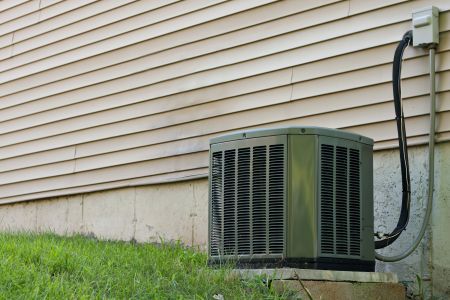
Choosing between a ductless mini-split and central air is a big decision for homeowners in Baltimore and Owings Mills, MD. Summers get sticky, basements can feel damp, and older homes may have layout quirks. This guide breaks down how each system handles local weather, floor plans, and comfort goals so you can pick with confidence. If you are planning a new system or a replacement, our team can help you compare options and design a right-sized solution with central air installation that fits your home and lifestyle.
How Baltimore Weather Shapes Your Cooling Choice
Baltimore summers are warm and humid. On muggy July afternoons, a system’s ability to manage both temperature and moisture matters just as much as raw cooling power. Central air with a properly sized variable-speed blower can pull moisture from the air while delivering even cooling to every room.
In neighborhoods from Owings Mills and New Town to Federal Hill and Canton, homes vary a lot. Brick rowhomes handle heat differently than newer colonials or townhomes near Painters Mill. Mini-splits shine when you need targeted comfort in spaces that run hot, like finished attics, sunrooms, or additions over garages.
What Central Air Is and How It Performs In Local Homes
Central air uses a single outdoor unit connected to an indoor coil and a duct system. Supply and return ducts distribute cooled, dehumidified air throughout the house. Done right, the payoff is whole-home comfort, cleaner air with better filtration, and a quiet look because most equipment is tucked away.
Many Owings Mills homes already have ductwork for heat, so central air can be a logical upgrade. If your ducts are leaky or undersized, though, you may notice certain rooms never feel right. Pairing central air with air sealing, proper returns, and balancing helps fix those hot and cold spots.
If your system struggles or makes unusual noises, get it checked before summer peaks. Timely air conditioning repairs can protect your equipment and restore comfort.
What a Ductless Mini-Split Is and When It Shines
A ductless mini-split is a heat pump that cools and can often heat using compact indoor heads connected to a quiet outdoor unit. Each indoor head controls one zone, so you cool only the rooms you are using. That makes mini-splits ideal for older Baltimore homes without ducts, third-floor conversions, finished basements, or home offices added later.
Because mini-splits avoid ducts, you skip the losses that come from long, uninsulated runs. You also gain independent temperature control from room to room. If your Owings Mills household has different comfort preferences, zoning is a game changer.
Mini-Split vs. Central Air: A Side-By-Side Look
- Coverage: Central air cools the whole home through ducts. Mini-splits target zones and additions without major renovation.
- Dehumidification: Central systems with variable-speed fans excel at steady moisture control. Mini-splits dehumidify well in the zones they serve.
- Aesthetics: Central air hides most components. Mini-splits show a slim wall, floor, or ceiling cassette in each zone.
- Flexibility: Mini-splits adapt to tricky layouts and older homes. Central air provides simple, one-thermostat control across the house.
- Noise: Both can be quiet. Mini-split indoor heads are whisper-level nearby; central air puts most sound at the outdoor unit and air handler.
Retrofit Realities in Older Baltimore Houses
Rowhomes and pre-war houses often lack the chases or closets needed for new ducts. Carving pathways through plaster and lathe can be intrusive. Mini-splits reduce construction because they only need small refrigerant lines and a drain, not large ducts.
In Owings Mills neighborhoods with larger two-story homes, existing ducts might only need sealing, added returns, or modest resizing to make central air hum along. A load calculation and duct evaluation will tell you what is feasible before you commit.
Local tip: In tight-lot areas like parts of New Town or near Reisterstown Road, think about outdoor unit placement early. Keeping the unit away from bedrooms and property lines can reduce noise concerns and make maintenance easier.
Energy Efficiency and Operating Costs
Both options can be efficient, but the winner depends on your house, usage, and equipment choice. Mini-splits often post very high ratings at part load, which is helpful during spring and fall. Central air paired with a variable-speed blower and smart controls can keep humidity in check while sipping energy on milder days.
Expect results to vary by home size, duct condition, insulation levels, and thermostat habits. If you have rooms that sit unused for long stretches, zoning with a mini-split can trim runtime. If you want uniform, set-it-and-forget-it cooling across every room, a well-designed central system is hard to beat.
Comfort, Noise, and Air Quality Considerations
Comfort is more than air temperature. It is how steady the system runs, how it handles humidity, and whether it avoids drafts. Variable-speed central systems deliver longer, gentler cycles that keep temperatures stable. Mini-splits modulate too, which helps avoid the on-off swings you may notice with older units.
Filtration is different between the two. Central air can integrate higher-efficiency filters and air quality add-ons. Mini-splits use washable screens at each head, which need regular cleaning. For allergy concerns, central air with a quality filter usually has the edge.
When Central Air Is the Better Bet in Owings Mills
- Your home already has reasonably good ducts that only need sealing or balancing.
- You want the simplest controls and even cooling in every room.
- You prefer equipment out of sight with minimal indoor components.
When these boxes are checked, a right-sized central system installed by Revolution Heating & Cooling can deliver quiet, even comfort you notice the first hot week of June.
When Ductless Is the Smarter Move in Baltimore
If your home has no ducts, unusual room additions, or a top floor that bakes in the afternoon sun, ductless is often the fastest way to get relief. Mini-splits are also handy for bonus rooms, garages converted to living space, and sunrooms that rarely feel right on the main thermostat.
Many homeowners start with one zone in the tough room and add more later. That flexibility helps you phase improvements over time without opening walls across the whole house.
How To Compare AC Installation Quotes
Not all proposals are equal. Look beyond brand names and make sure each quote tells the same story so you can compare line by line. Ask for the design math, the installation scope, and the comfort outcomes in writing.
- Insist on a Manual J load calculation so equipment is sized to your windows, insulation, orientation, and duct layout, not just square footage.
- Ask about static pressure and duct leakage testing. Numbers here predict airflow, noise, and comfort room to room.
- Request the exact model numbers, efficiency ratings, thermostat type, and any included accessories.
- Clarify what is being done to ducts: sealing, added returns, or resizing for better balance.
- Confirm warranty terms on parts and labor, and who handles registration and startup checks.
For mini-splits, have the contractor show head placement on a floor plan and explain how condensate will drain. Plan for power and condensate management to avoid surprises after drywall is closed. For central air, verify the return path in each major area and address rooms that always lag the thermostat.
Real-World Examples Around Owings Mills and Baltimore
Finished attics in Glyndon or Mount Washington often turn into saunas by late afternoon. A single-zone mini-split can tame that hot spot without touching the rest of the house. If your Owings Mills colonial has long trunk lines to second-floor bedrooms, balancing and sealing may let central air finally deliver the quiet, even comfort you expected.
Basements along the Reisterstown corridor can feel clammy after heavy rain. Central air with continuous low-speed circulation and proper returns can help dry things out. Mini-splits can also lower humidity in targeted spaces, especially home gyms or offices that need extra cooling during the day.
Which System Fits Your Home and Lifestyle?
Start with your top priorities. Do you want uniform comfort in every room, integrated filtration, and a clean look with equipment out of sight? Central air is your likely match. Do you need precise control in a few spaces, minimal remodeling, and the ability to phase upgrades? Mini-splits often take the lead.
It is also smart to think about the long term. If you plan a kitchen addition next year or a third-floor suite later, a flexible plan that mixes a central system downstairs and a mini-split upstairs can make perfect sense. Get the load calculations and duct plan in writing so your project stays aligned as your home evolves.
You can also explore our overview on system choices by visiting mini-split vs central air in baltimore, then circle back here when you are ready to look at your home’s layout and goals.
Your Next Step With a Local Team You Can Trust
Every home is different, and so is every comfort plan. Whether you live near Owings Mills Town Center or along Painters Mill Road, Revolution Heating & Cooling will evaluate your rooms, ducts, and insulation, then present clear options. If central air fits best, we will size it right and install it with attention to airflow and dehumidification. If ductless is smarter, we will map zones that match how you live and help you plan for future phases.
Ready to compare options for your home? Start with a design visit and see what tailored comfort looks like. Learn more about our approach to central air installation, or call us at 410-585-4193 to schedule a consultation with Revolution Heating & Cooling.